
Patient Guide · Cataract Surgery · Los Angeles & Santa Monica
Cataract Surgery in Los Angeles:
What to Know Before You Decide
Laser or traditional? Which lens? What will Medicare cover? A clear, step-by-step guide for patients in Santa Monica, Beverly Hills, Malibu, and across the Westside.
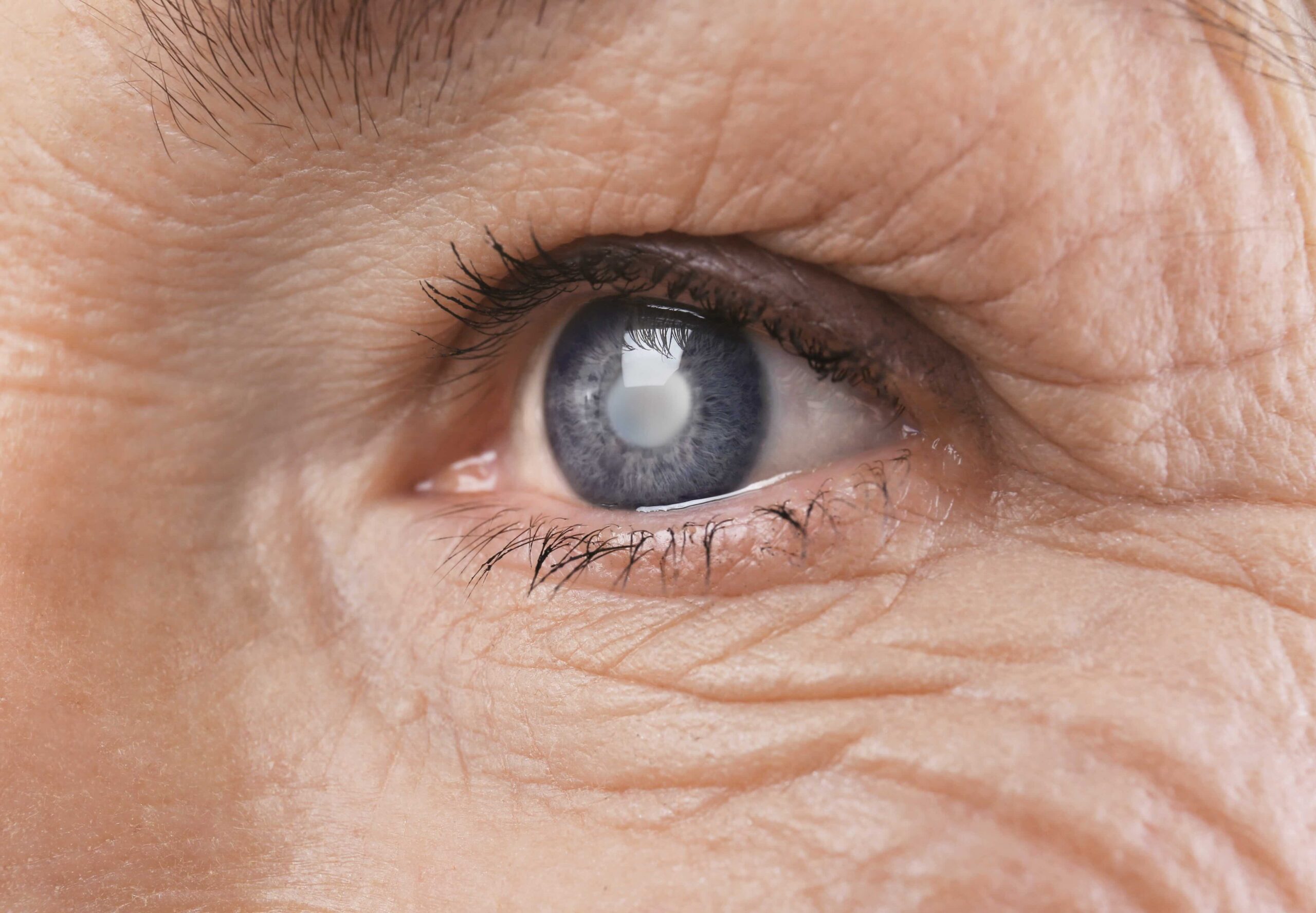
Cataract surgery is an outpatient procedure — typically about 20 minutes per eye — in which the clouded natural lens is removed and replaced with a clear intraocular lens (IOL). Medicare and most insurance plans cover standard cataract surgery once a cataract affects daily life; premium lenses and laser-assisted steps usually add out-of-pocket cost.
Most patients see noticeably better within a few days. In Los Angeles, Dr. Barry Seibel performs cataract surgery for patients across the Westside from his Santa Monica office.
An estimated 24.5 million Americans have cataracts, according to the American Academy of Ophthalmology. If you’re one of them, you’ve probably discovered that researching cataract surgery in Los Angeles raises more questions than it answers.
This guide walks through the decisions that actually shape your result — timing, technique, lens choice, cost, and recovery — so you can walk into your consultation prepared.
When Is It Time for Cataract Surgery?
You don’t need to wait for a cataract to be “ripe.” The right time is when cloudy vision starts interfering with things you care about: driving at night, reading, working on a screen, or enjoying the outdoors. Common signs include glare and halos around headlights, faded colors, and prescription changes that no longer help.
If you’re not sure whether your symptoms are cataract-related, read 6 early cataract symptoms that are easy to miss or take our cataract self-test.
What Happens During Cataract Surgery?
Here’s what the process looks like at Seibel Vision Surgery, from first visit to follow-up.
Consultation and precise measurements
A dilated exam confirms the cataract and checks the health of your retina and optic nerve. Detailed biometry measures the length and curvature of your eye to calculate your lens implant power.
Why it matters: accurate measurements and lens calculations are what turn a “successful” surgery into sharp, predictable vision.
Choosing your lens implant
You and Dr. Seibel choose an IOL based on how you want to see after surgery — sharp distance vision with reading glasses, or reduced dependence on glasses at multiple distances.
Why it matters: your lens choice shapes your vision for the rest of your life, so it deserves an unhurried conversation.
Surgery day
Surgery takes about 20 minutes with numbing drops and a mild sedative. Through a tiny, self-sealing incision, the cloudy lens is gently broken up and removed using ultrasound (phacoemulsification), and the new lens is folded, inserted, and unfolded in its place. No stitches are needed, and you go home the same day.
Why it matters: Dr. Seibel uses instruments he designed — including the Seibel Nucleus Chopper — to break up the cataract with less ultrasound energy.
Recovery and your second eye
You’ll be seen the next morning. Eye drops are used for several weeks, and most people resume light daily activities within a day or two. The second eye is usually done separately — often within a week or so of the first.
Why it matters: treating one eye at a time lets you use the other eye while the first heals and lets us fine-tune the plan for eye two.
Laser vs. Traditional Cataract Surgery: Which Is Better?
Laser-assisted cataract surgery uses a femtosecond laser for certain steps, such as creating the round opening in the lens capsule and softening the cataract. It sounds more advanced — but large clinical trials show that, in skilled hands, it doesn’t produce better vision for most patients.
Two major randomized trials published in 2020 — FEMCAT in France and FACT in the United Kingdom — and a 2025 meta-analysis of randomized trials found no meaningful long-term difference in visual results or overall complication rates between laser-assisted surgery and conventional phacoemulsification. Laser-assisted surgery also typically adds out-of-pocket cost.
Dr. Seibel was among the first surgeons in Southern California to perform laser cataract surgery, so he knows both approaches well. His take: the laser is a tool, and the surgeon’s precision matters most. He’ll tell you honestly whether laser assistance would add value for your particular eye.

Which Lens Implant Is Right for You?
Modern cataract surgery can also correct nearsightedness, farsightedness, and astigmatism. Here’s how the main lens categories compare.
| Lens type | Best for | Glasses after surgery |
|---|---|---|
| Standard monofocal | Clear vision at one distance, usually far | Usually needed for reading |
| Toric | Correcting astigmatism | Usually needed for reading |
| Extended depth of focus | Distance plus intermediate (computer, dashboard) | Sometimes needed for fine print |
| Multifocal / trifocal | Distance, intermediate, and near | Often not needed |
| Light Adjustable Lens | Fine-tuning your prescription after surgery | Depends on the target chosen |
Standard monofocal lenses are covered by Medicare and most insurance. Premium lenses involve an additional out-of-pocket cost.
Explore our lens implant options, including the Clareon PanOptix Pro trifocal and the RxSight Light Adjustable Lens.
How Much Does Cataract Surgery Cost in Los Angeles?
For most patients 65 and older, Medicare Part B covers standard cataract surgery with a monofocal lens. You’re typically responsible for the Part B deductible and 20% coinsurance, which many supplemental plans help cover. Medicare also covers one pair of eyeglasses or contact lenses after surgery with an IOL.
Out-of-pocket costs apply when you choose a premium lens (toric, extended depth of focus, multifocal, or light adjustable) or elective laser-assisted steps. Seibel Vision Surgery accepts HSAs and FSAs and offers financing through CareCredit and Alphaeon Credit, subject to credit approval. See our cataract surgery cost page for details.

What Is Recovery Like?
Most patients notice brighter, clearer vision within a day or two, with continued improvement over the following weeks. For the first week or so, you’ll use prescribed drops, avoid rubbing your eye, and skip swimming and heavy lifting. You can return to driving once Dr. Seibel confirms your vision meets the legal standard. Read more about cataract surgery recovery.
Months or years later, some patients develop haze behind the lens implant. It’s easily treated with a quick in-office laser procedure — learn more about YAG laser capsulotomy.
How to Choose a Cataract Surgeon in Los Angeles
Cataract surgery is highly successful across the board, but “successful” and “optimal” aren’t the same thing. Look for a surgeon who specializes in lens surgery, personally reviews your measurements, offers the full range of lens options, and is respected by other eye doctors. Our guide to 5 questions to ask before choosing a cataract surgeon covers this in depth.
Dr. Barry Seibel is the author of Phacodynamics, the textbook used internationally to teach phacoemulsification, and has designed 20 surgical instruments used by surgeons worldwide. Other ophthalmologists choose him for their own care.
“Of all the surgeons that I know, I wouldn’t hesitate to recommend anybody to have Dr. Seibel do their cataract surgery. As did I — I wouldn’t have gone anywhere else.”
— Dr. Donald N. Schwartz, Ophthalmologist & USC Professor, on choosing his own surgeonCataract Surgery Near You: Santa Monica, Beverly Hills, Malibu & the Westside
Dr. Seibel’s office is at 1301 20th Street, Suite 260, Santa Monica, CA 90404, in Saint John’s Medical Plaza. Patients come from Santa Monica, Brentwood, Pacific Palisades, Malibu, Beverly Hills, Westwood, Century City, Venice, Marina del Rey, Culver City, and throughout greater Los Angeles. Read about our Santa Monica office.
Key Takeaways
- Cataract surgery is an outpatient procedure of about 20 minutes per eye, with most patients seeing better within days.
- The right time for surgery is when your vision interferes with daily life — not when a cataract is “ripe.”
- Large randomized trials show laser-assisted surgery doesn’t outperform expert conventional surgery for most patients.
- Medicare covers standard cataract surgery; premium lenses and laser steps add out-of-pocket cost.
- Your surgeon’s precision and lens planning matter more than any single technology.
Frequently Asked Questions
Is cataract surgery painful?
No. Numbing drops and a mild sedative keep you comfortable, and most patients feel only light pressure. Afterward, mild scratchiness for a day or two is common.
How long does cataract surgery take?
The procedure itself takes about 20 minutes per eye. Plan on a few hours at the surgical facility including preparation and recovery, and bring someone to drive you home.
Does Medicare cover cataract surgery in California?
Yes. Medicare Part B covers medically necessary cataract surgery with a standard monofocal lens, after your deductible and 20% coinsurance. Premium lens upgrades and elective laser-assisted steps are typically out of pocket.
Is laser cataract surgery better than traditional cataract surgery?
For most patients, no. Large randomized trials, including FEMCAT and FACT, found similar visual results and complication rates. Laser assistance may be helpful in selected cases, and your surgeon can advise whether it adds value for your eye.
Can both eyes be done on the same day?
Usually not. Treating one eye at a time lets you see with the other eye while the first heals. With Dr. Seibel’s techniques, the second eye can often be done within a week or even a few days of the first.
How do I find the best cataract surgeon in Los Angeles?
Look for a surgeon who specializes in cataract and lens surgery, personally plans your lens, offers standard and premium lens options, and is trusted by other eye doctors. Dr. Barry Seibel, author of the textbook Phacodynamics, sees patients in Santa Monica — call (310) 444-1134 to schedule.

Ready to See Clearly Again?
Schedule a cataract consultation with Dr. Barry Seibel in Santa Monica and get a personalized plan for your eyes, your lens options, and your coverage.
Or call us directly: (310) 444-1134